The Best Running Races in the World (that I’ve done)

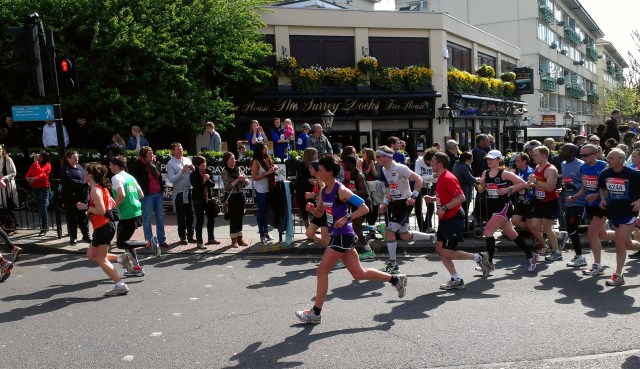
1. London Marathon: One of the World’s biggest marathons, taking runners past major tourist attractions like the Tower of London, the London Eye and Buckingham Palace.  It is very well organised and there are huge crowds offering support from start to finish.  Great atmosphere, fast course, the only down side is that it is hard to get in. (https://www.virginmoneylondonmarathon.com)
2. Big Sur Marathon: For good reason this is often called the World’s most scenic marathon.  A point to point route from Big Sur to Carmel along the hilly Pacific Coach highway, which is closed for the event.  The closed road means there are empty stretches without any support, but this is made up for by the stunning views.  There is also a strict 6 hours cutoff so the road can be reopened. https://www.bigsurmarathon.org

3. Sierre-Zinal: One of the oldest and most scenic mountain trail races, at least after the first 10km straight up a mountain!  After the initial climb from 600m up to 2000m, the course flattens out enough to enjoy the 360 panorama of the Swiss Alps as you run along the ridge, before dropping down into the typical Swiss Alpine village of Zinal for a warm welcome.  The race also attracts many top mountain runners.  31km, 2200m of gain and views of 5 mountains over 4000m. https://www.sierre-zinal.com/en/homepage.html

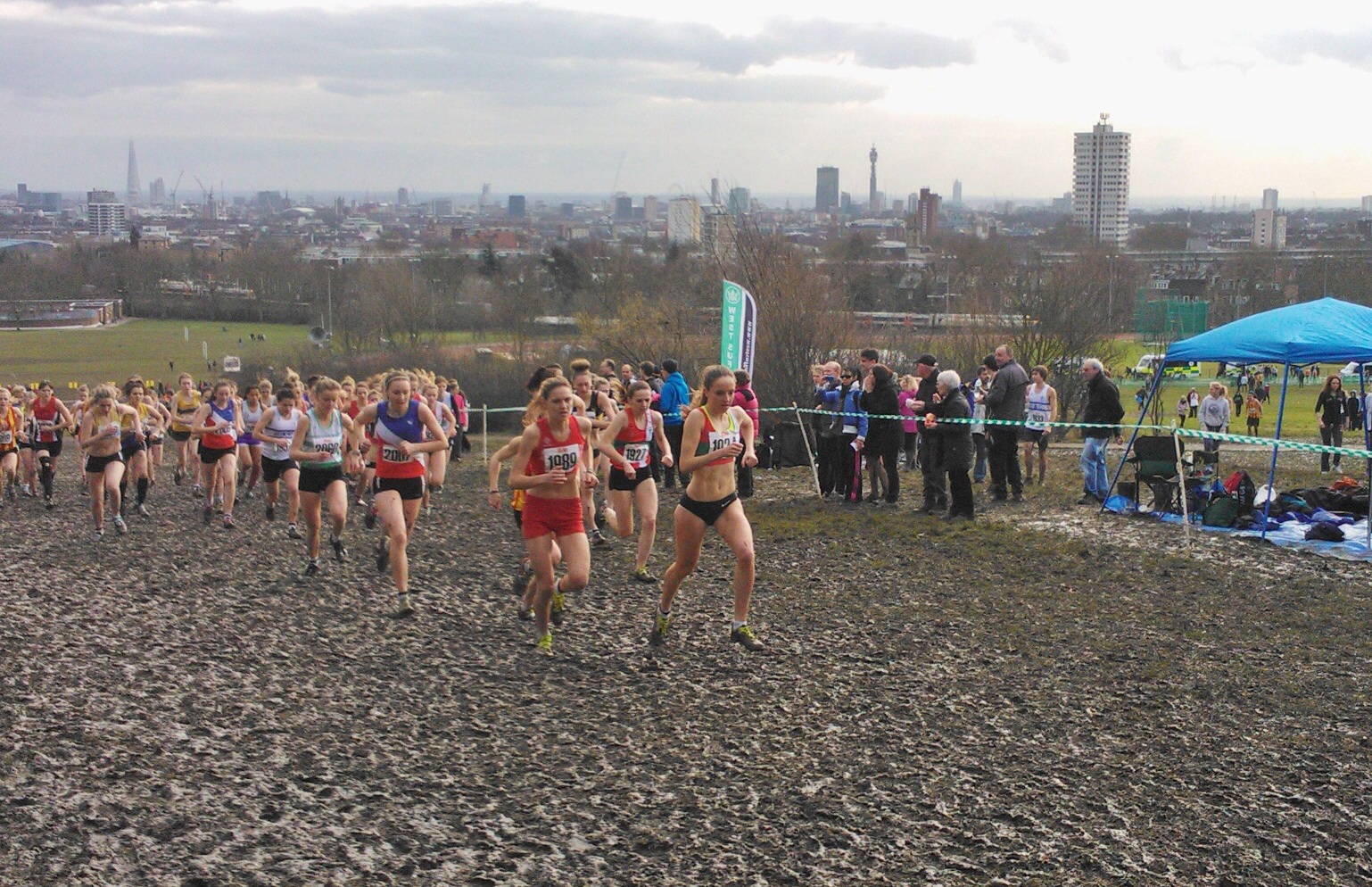
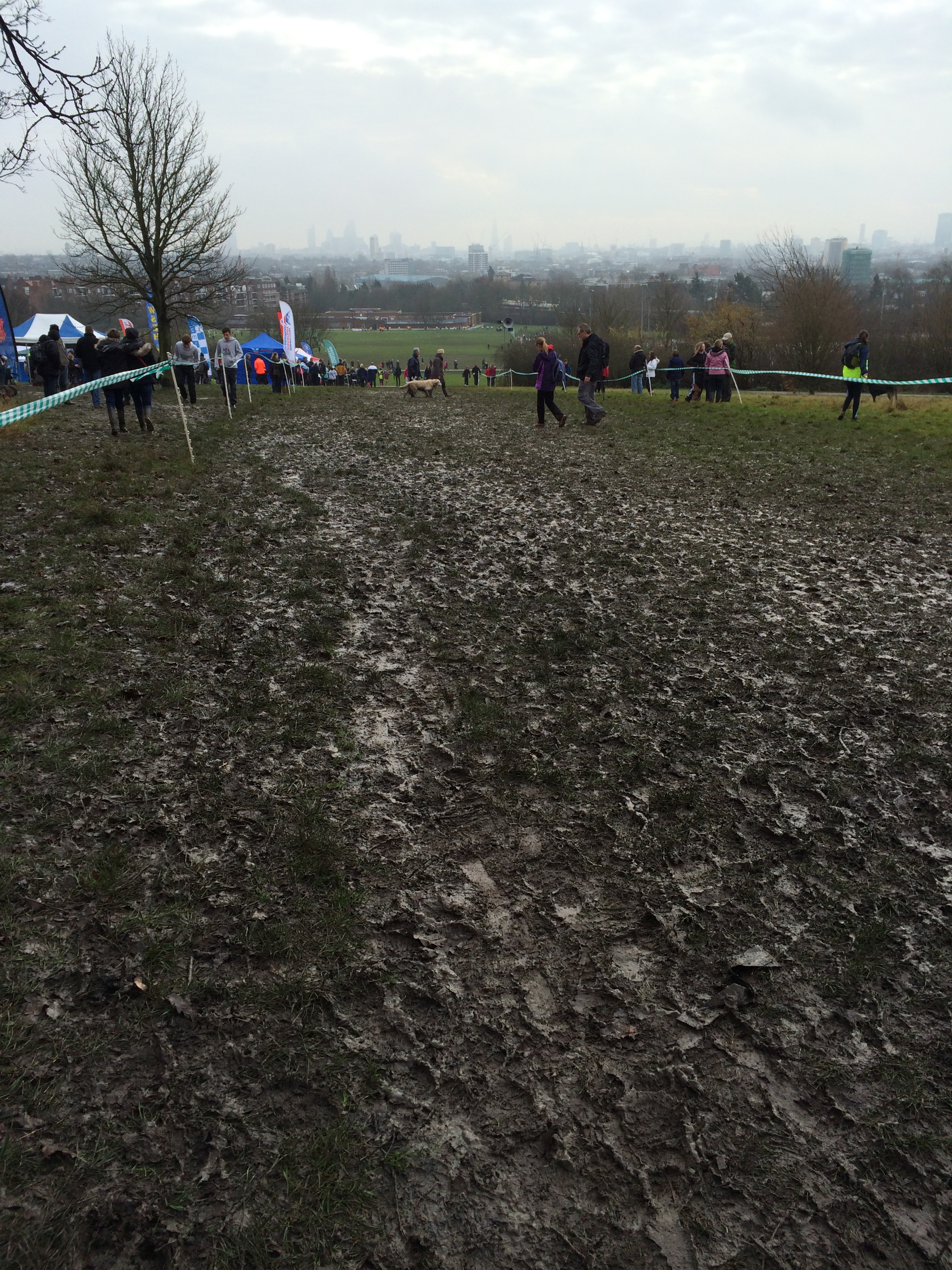
4. Cross country at Parliament Hill:  The home of Cross Country racing.  There is nowhere quite like it for the mass start, mud, hills, everything that a cross country should have.  Both the English National cross country and the South of England AA cross country are held here with thousands of runners competing over the day.
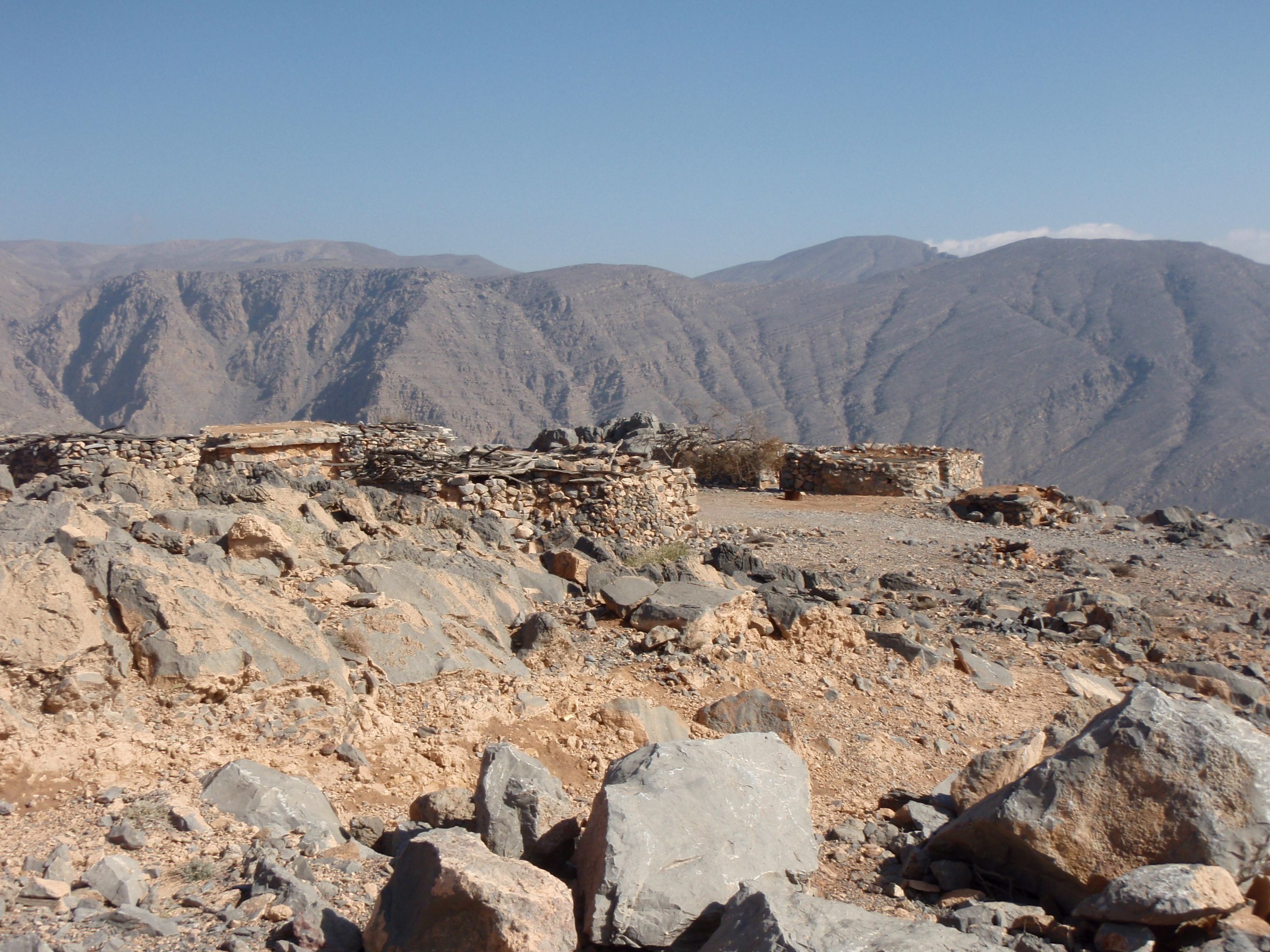
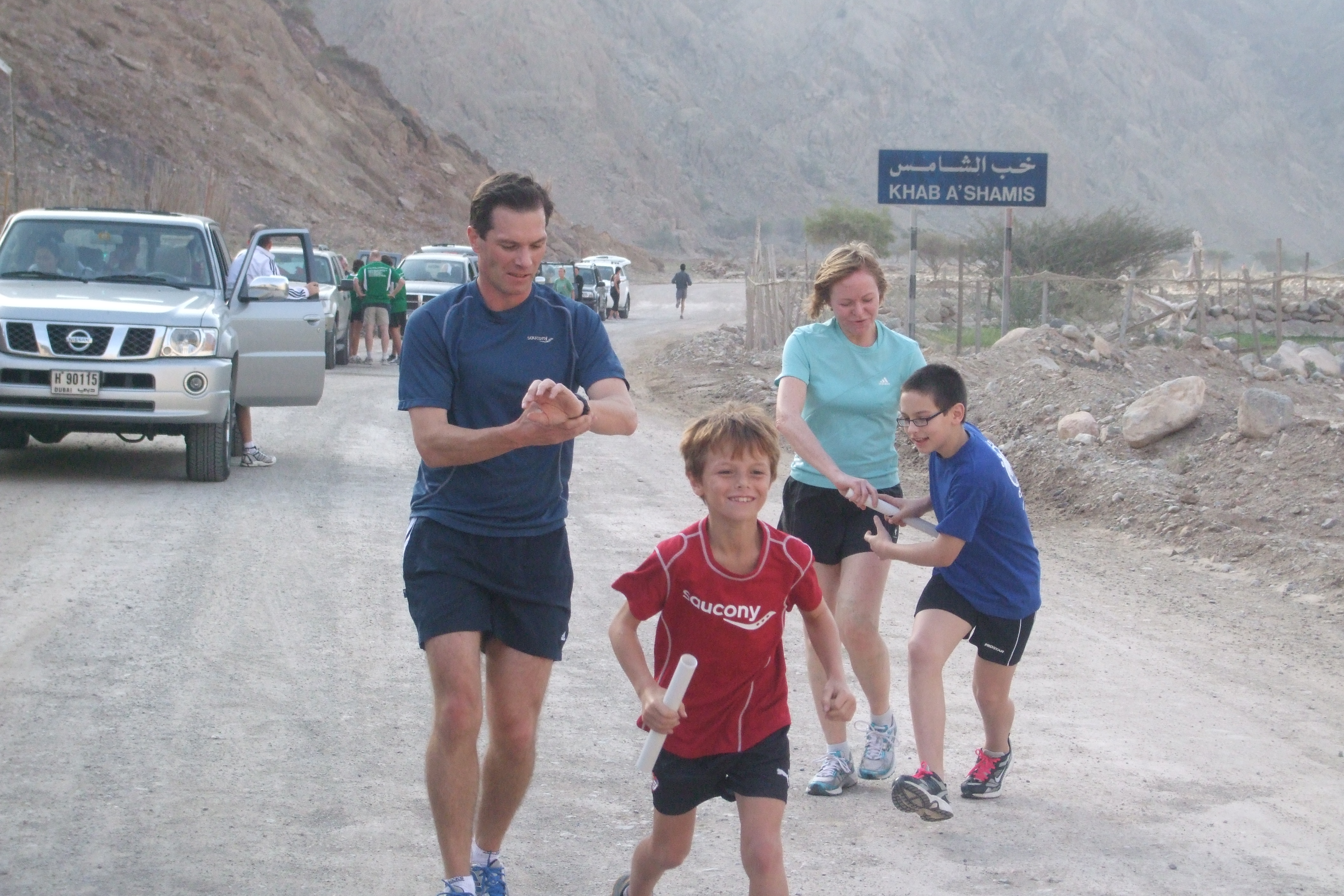
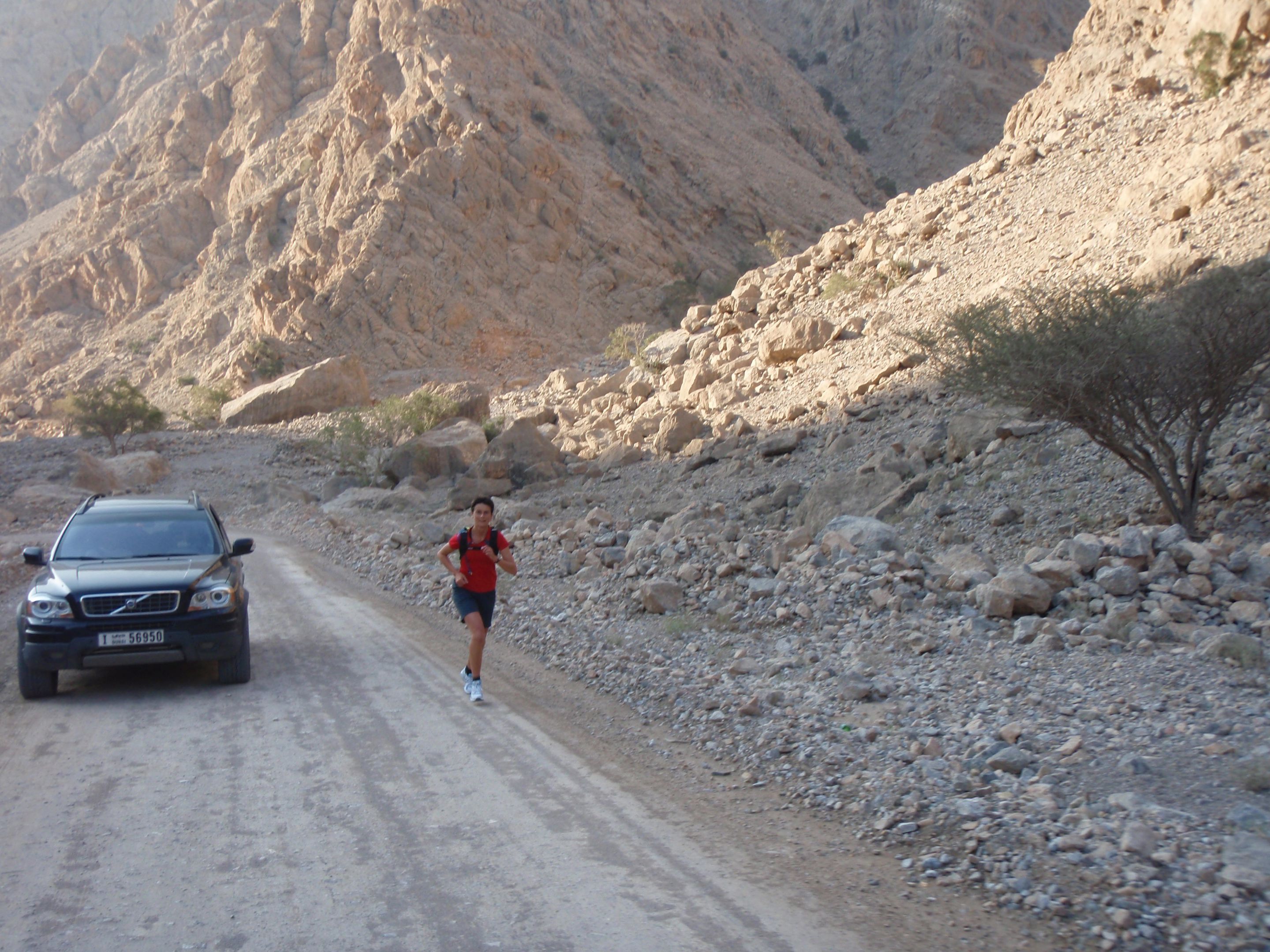
5. Wadi Bih Relay: the most fun you can have in a running race. This 72km in Oman goes from the beach, up to the top of a mountain and back down in 5 person relay teams. (A few crazy people do it as solo runners.) The race starts on the beach at dawn, then follows roads out of town and gravel tracks through the Hajar mountains up to around 1000m of altitude.  Each runner completes legs of between 1.5 and 5km, while a support vehicle carries the rest of the team. (wadibih.com)
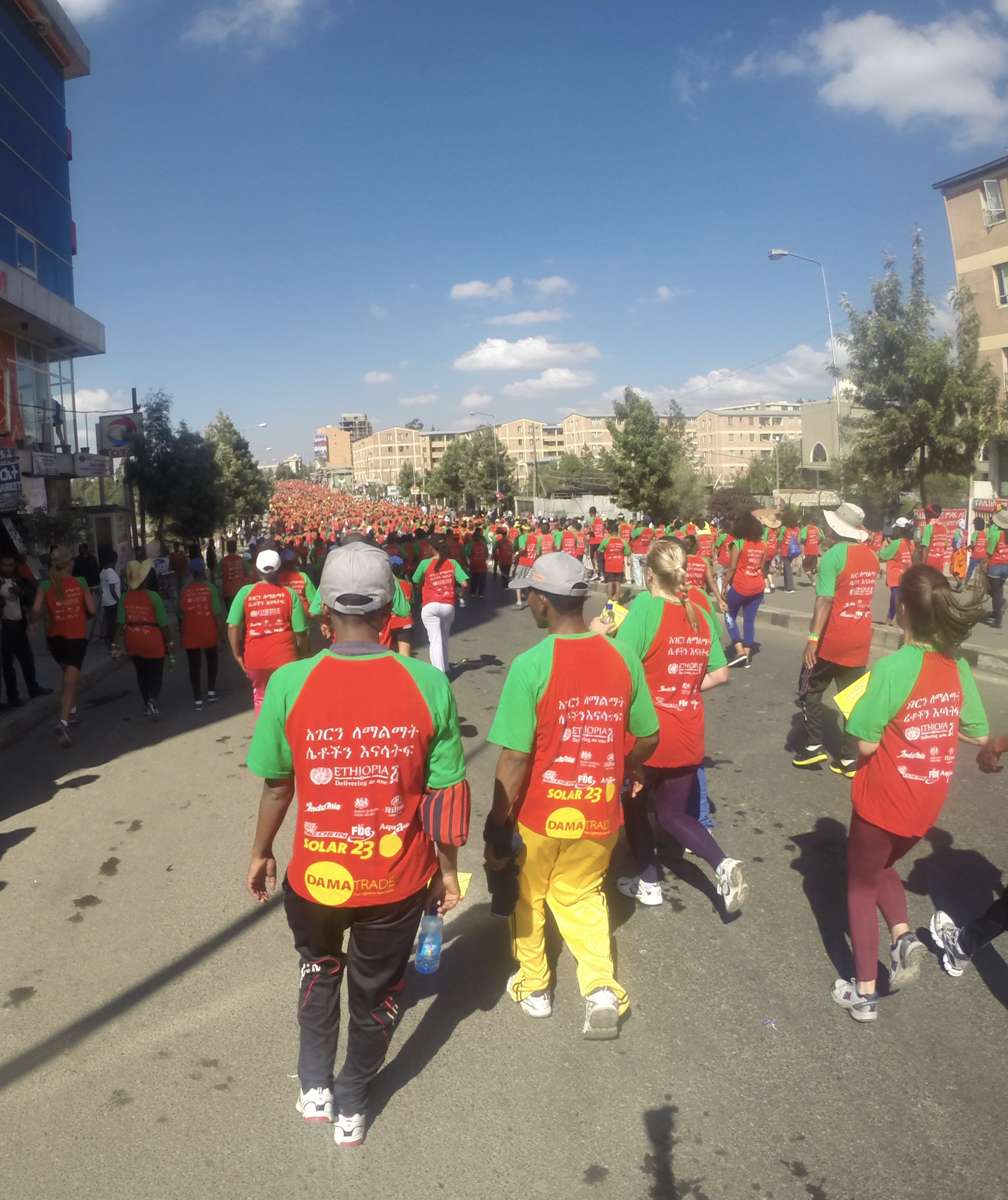
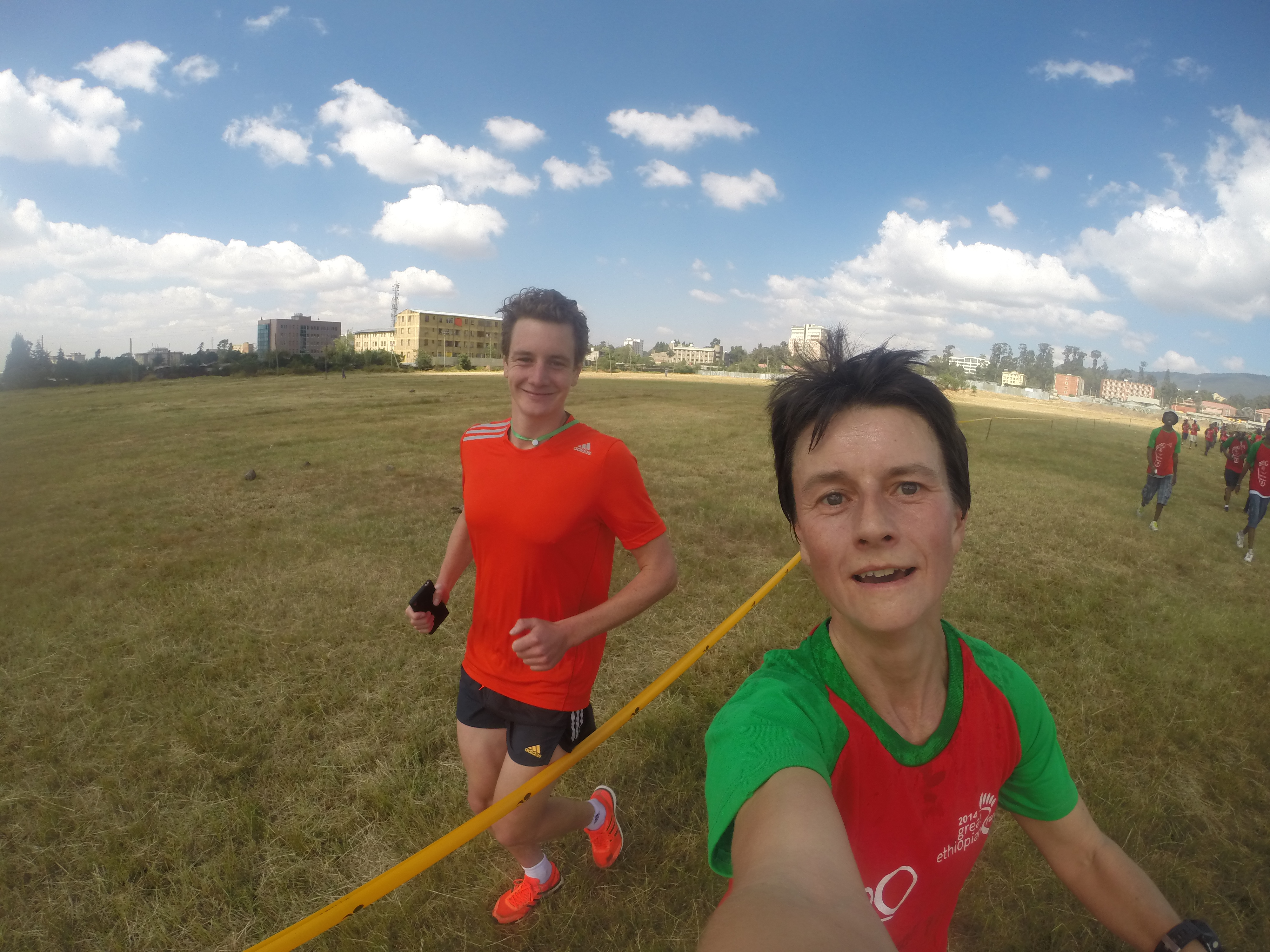
6. Great Ethiopian Run: A 10k run/moving carnival party in Addis Ababa.  Being at over 2300m makes this far harder than your average 10k road race, but you want want to rush with all the sights and sounds to take in. (https://ethiopianrun.org/en/races/international-10k)
7. Parkrun: not a race, but an opportunity to run 5k as fast as you wish, meet other runners, explore new places and feel part of a worldwide running community.  There are now events in 21 countries where you can use your personal barcode to record a time. (parkrun.com)

Christmas parkrun is always my favourite

8. The Mud Crew RATS (Roseland August Trail Series races):  A series of trail races along the Cornish Coastal path, combined with a running festival with a guest speaker, weekend camping, bar, entertainment and a range of food stalls.  Distances range from 11 miles to 100k and the 24 hour “Bring Out Your Dead” run which involves covering as many 5 mile loops as you can in 24 hours.  There may not be any high altitudes, but the hills of the coastal path are some of the steepest I have run and there is not much flat. (http://mudcrew.co.uk/event/the-rat-roseland-august-trail/)

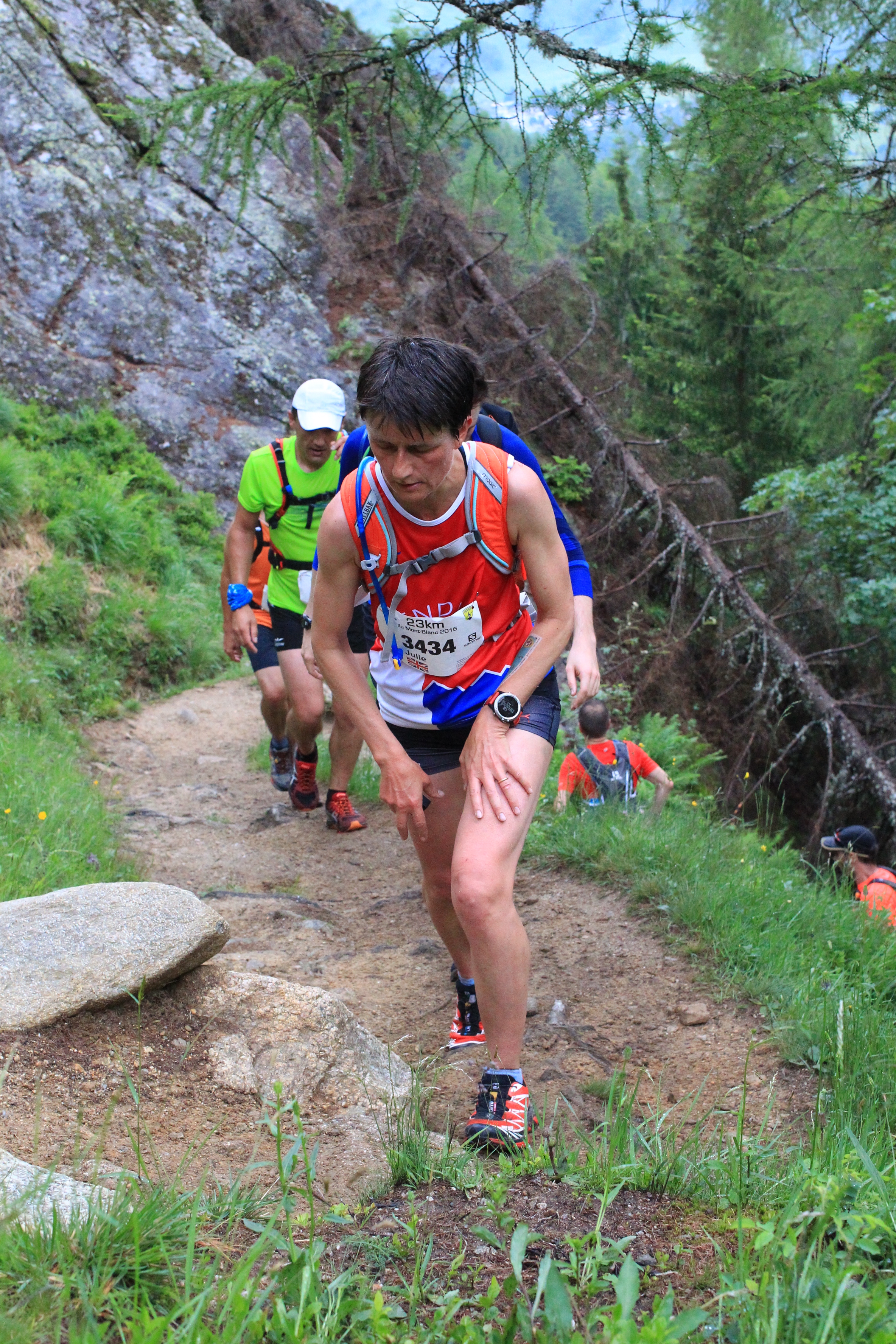
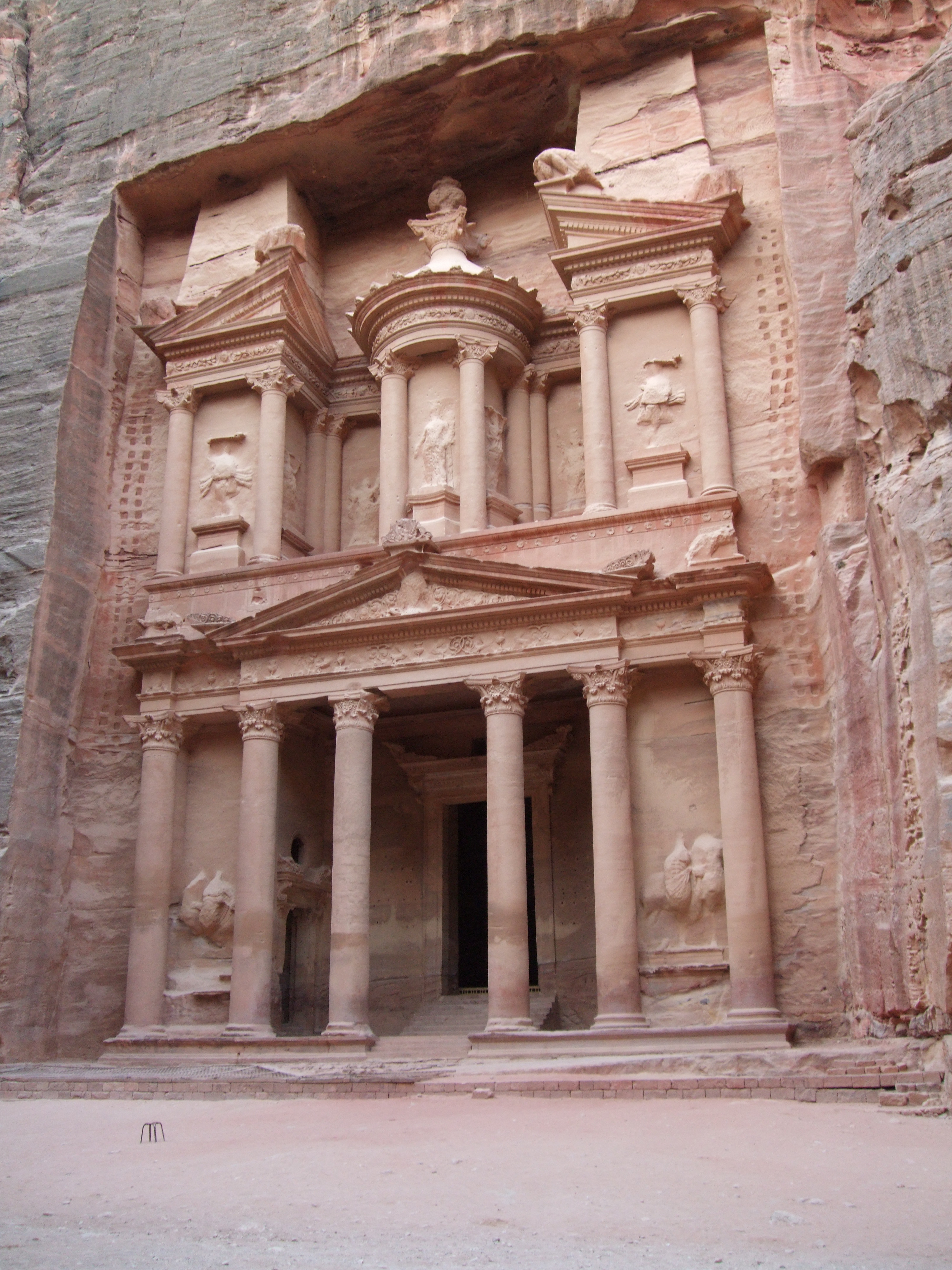
9. Chamonix Cross: Another race part of a running festival week, which includes a 90k, 42k, 23k, 10k and vertical km.  The Chamonix Cross was started in 1979 and it is the 23k that starts in the town centre and finishes at the top of the Brevant mountain (thunder storms permitting), 23k with 1680m of gain.  It starts out following cross country ski tracks and then winds its way up to reveal dazzling mountain panoramas (https://www.marathonmontblanc.fr/en/races/23-km-du-mont-blanc/)

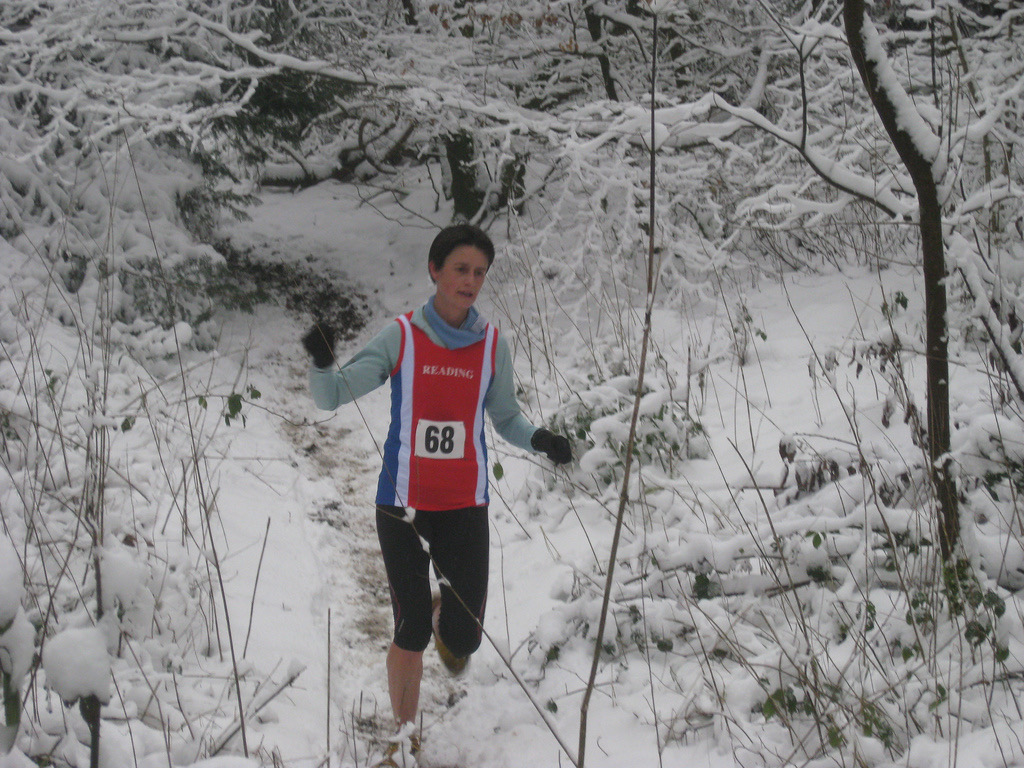
10. Box Hill Fell race in the snow. This was a magical experience. The race director said he had been waiting for 20 years to have a snowy race and almost all other sporting events in the UK were cancelled that weekend (we don’t do snow well). The 10 mile course up and down Boxhill had about 10-20cm of fresh snow, which made the slopes toboggan runs and the woods into silent, enchanted woodland.  I also liked the informal and relaxed way it was organised. This seems to be a feature of fell racing compared to road races. You turn up on the day to register, there are few facilities, no sponsorship, start on a ‘go’ and no finish medals or other goodies. The prizes came from the National Trust shop, which included the typical offerings of biscuits and jam. (https://slow.org.uk/events/box-hill-fell-race-2021/)
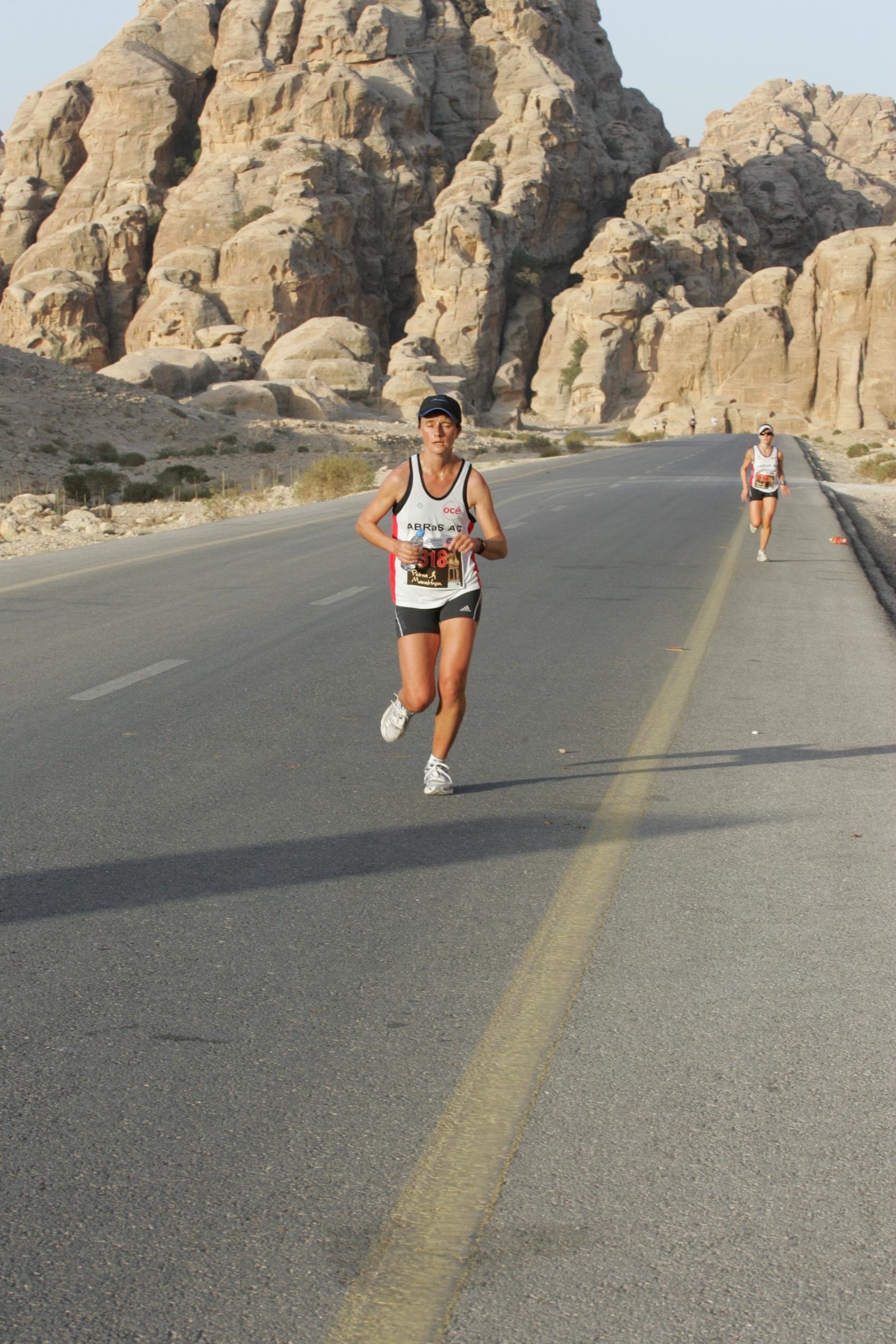
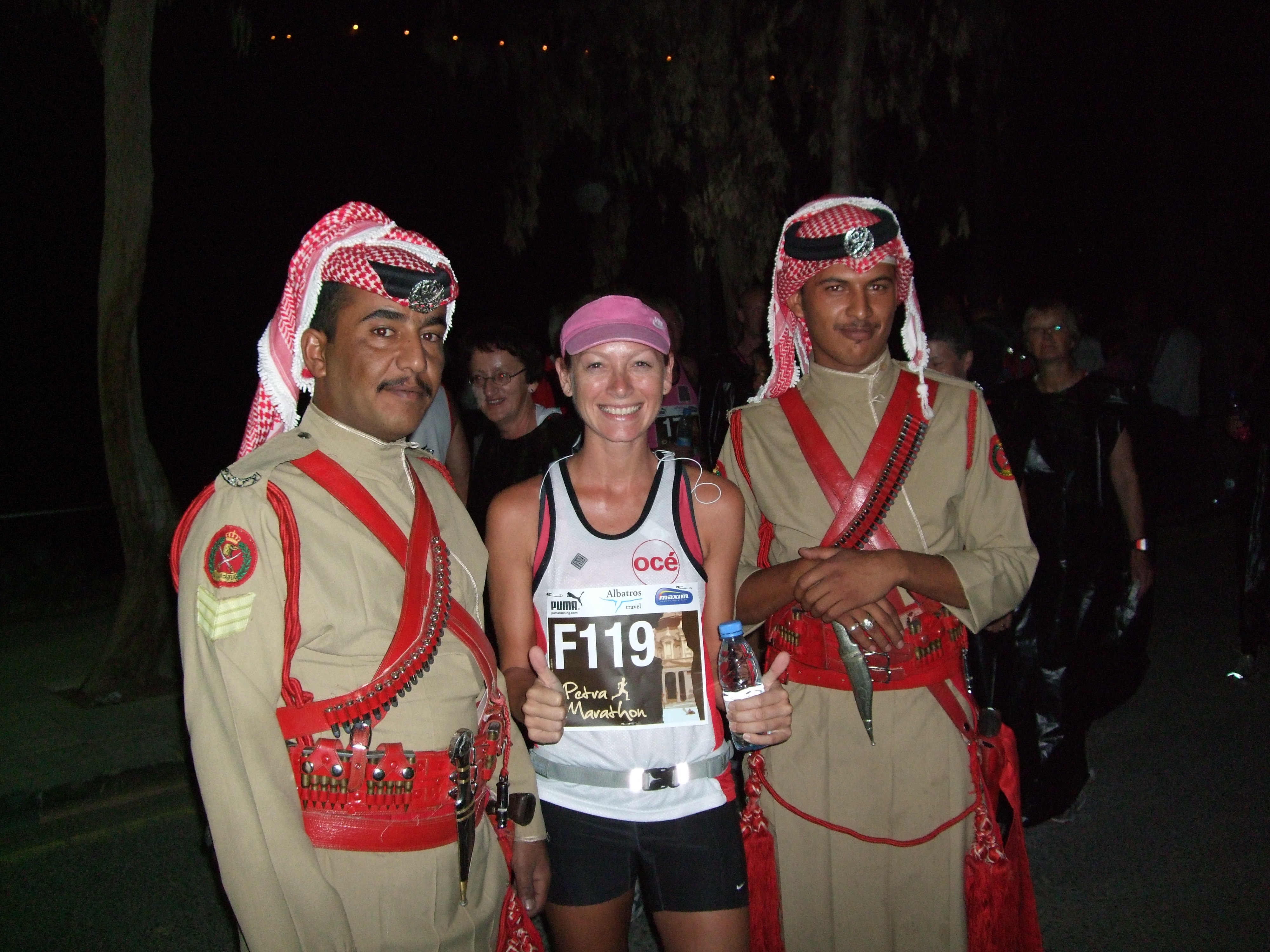
11. Petra Marathon, Jordan.  There is both a full marathon and half marathon option. This race is made very special by the start line at dawn, outside the treasury in the centre of the ancient city of Petra. The route then goes past rock cut tombs, temples and dwellings, then out across the desert scenery to Little Petra and on to road, up a challenging hill, before finally dropping back down to finish in the centre of the modern town. The course was by far the most scenic I have run, the local marshals were all very friendly and Jordan is a wonderful country. (https://petra-desert-marathon.com)
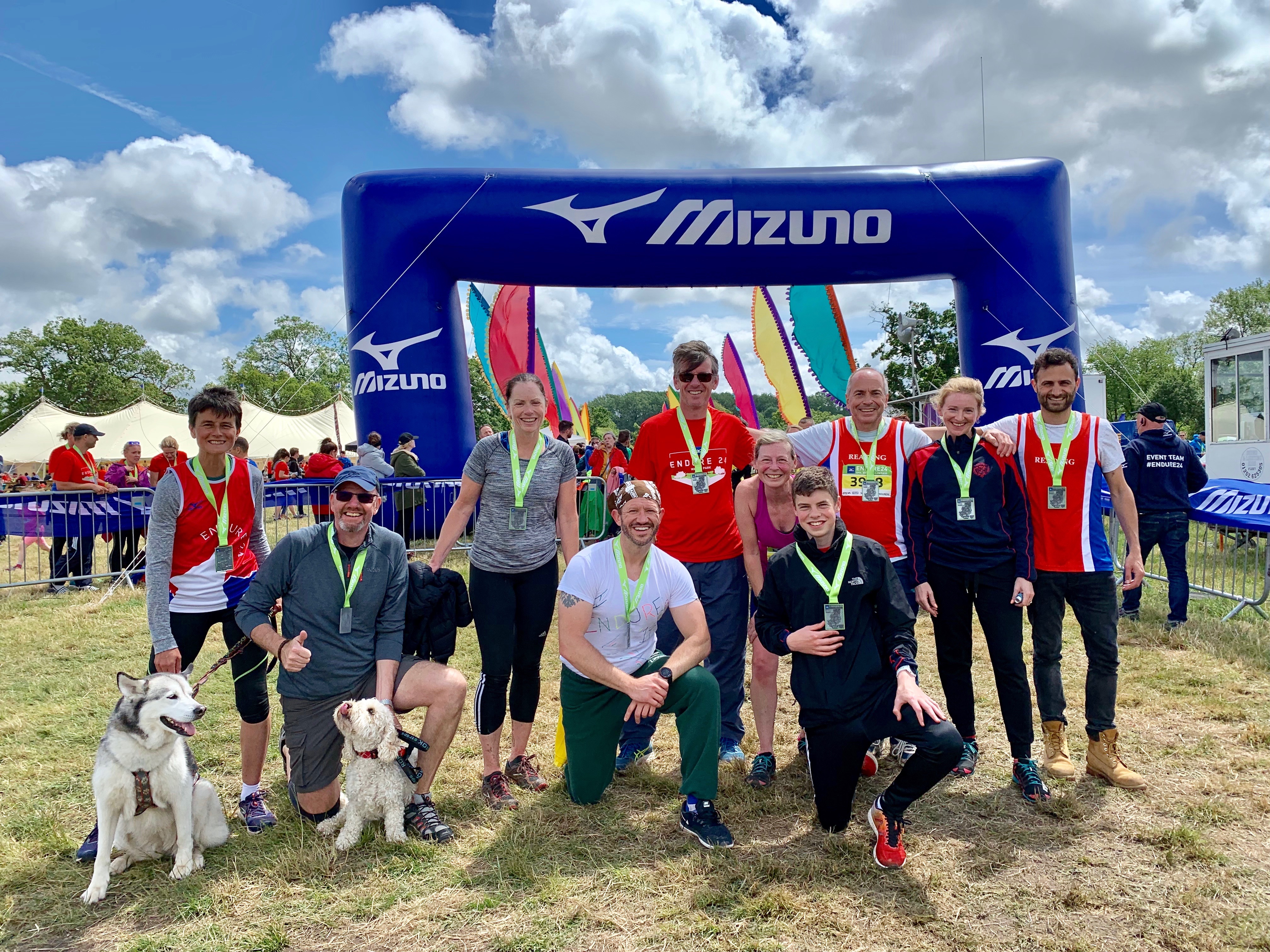
12. Endure 24: also known as the ‘Glastonbury of Running’.  A 24hr race of a 5 mile trail loop which can be completed as a solo, in pairs, or teams of up to 12 runners.  You will find all abilities welcome and amazing support for everyone.  Running a night time loop with a head torch can open up a whole new running experience.  There is a race village with catering, entertainment, bar, retail stores, massage and a large area for camping, where the party really begins. (https://www.endure24.co.uk)
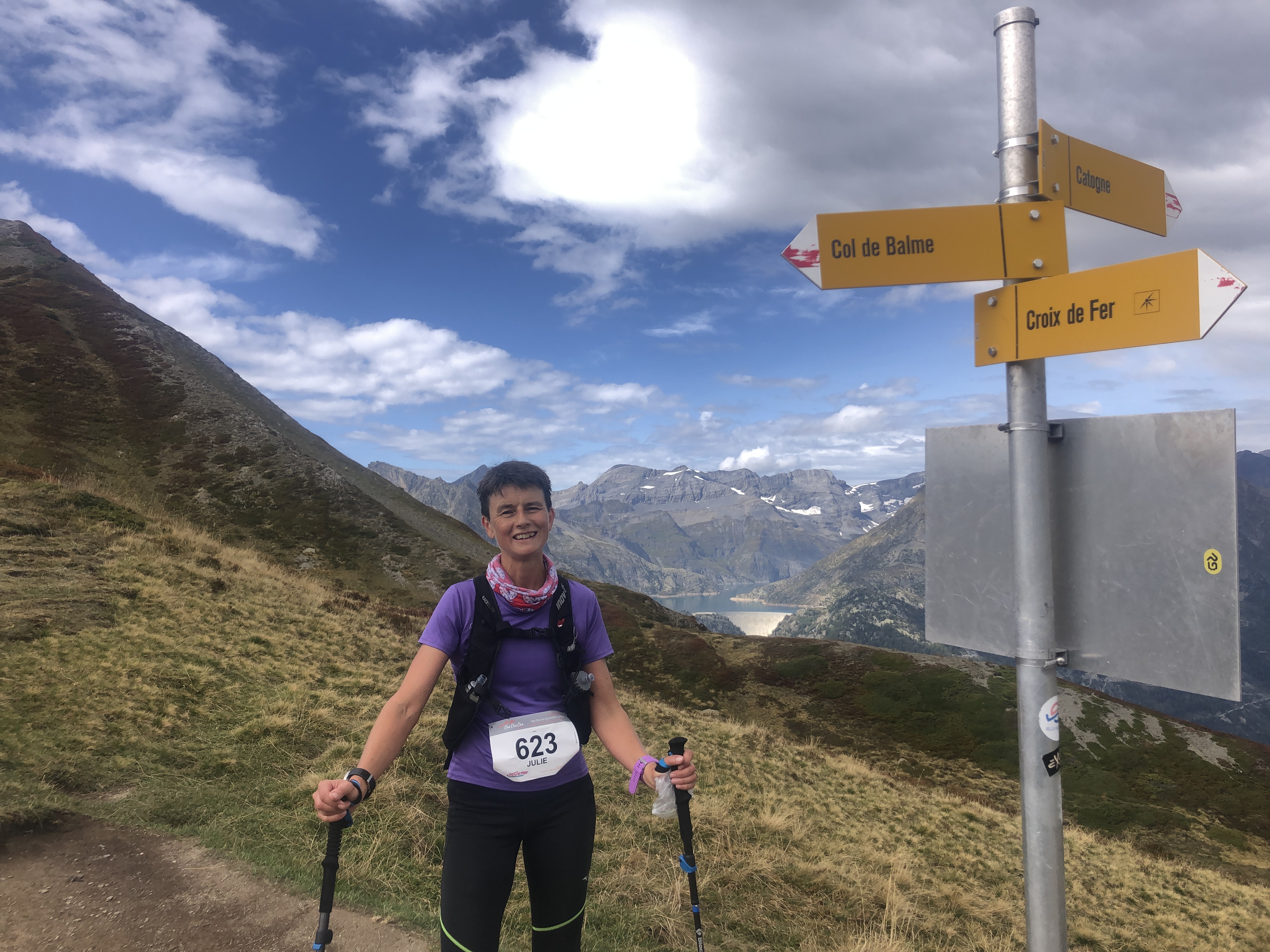
13. Cha Cha Cha Ultra:  Run for the first time in 2020, with a select field of 24 entrants, this was mainly one of my most enjoyable races because it took me away from the Covid pandemic for a full day.  I spent 12.5 hours finding out if I really could cover 63km over 4 mountains in a day and forgetting all about the world’s problems.  A very friendly race over challenging and dramatic scenery. https://www.chachacharun.com/en-home
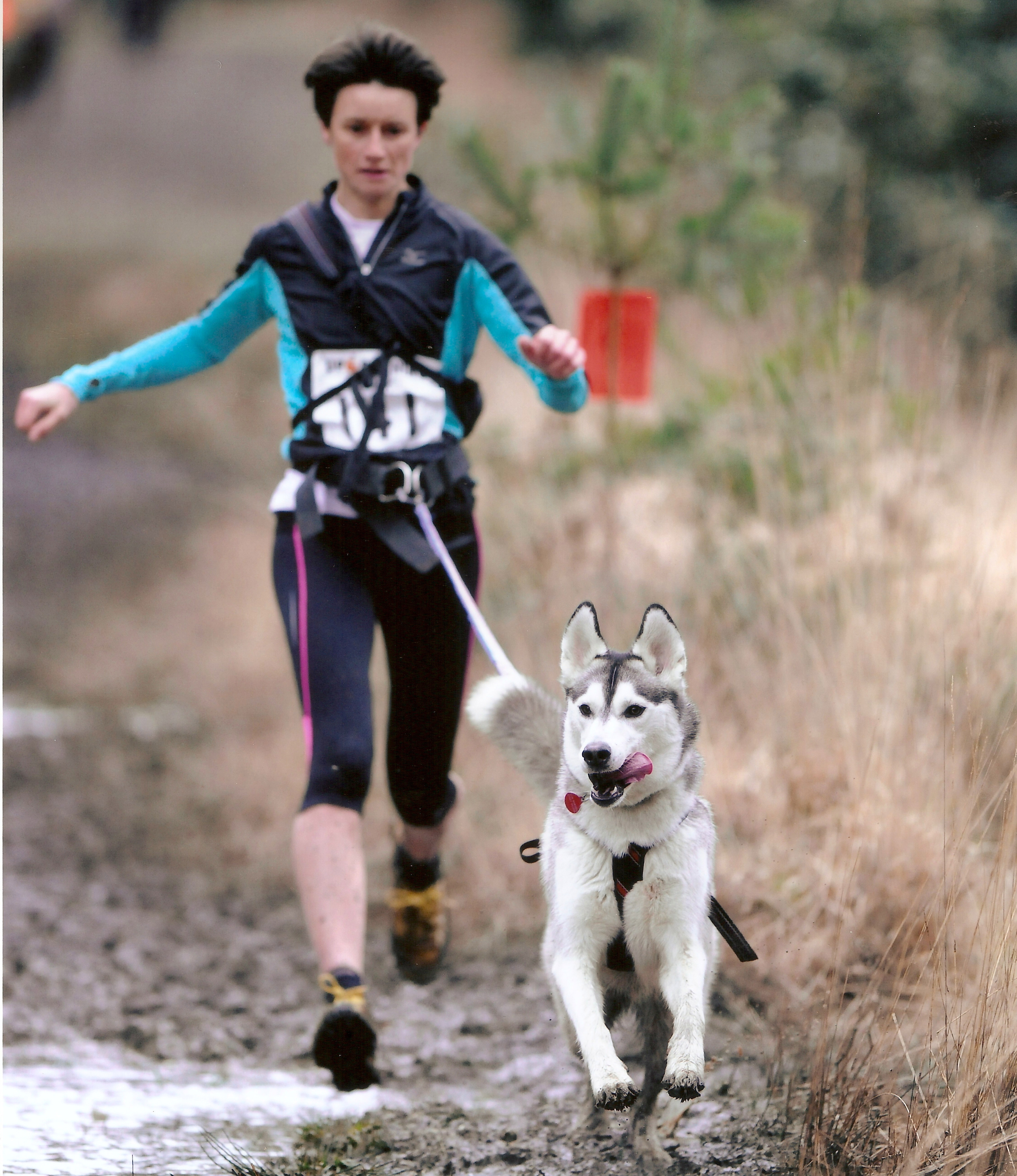
14. Any Cani Cross race that I finish uninjured!  Racing and working together as a team with your dog, so you both finish with a smile on your faces is fantastic.  My huskies can be a bit too enthusiastic and want to start faster than my old legs wish to go, so we don’t do many races, but I have had a blast in everyone we have done.
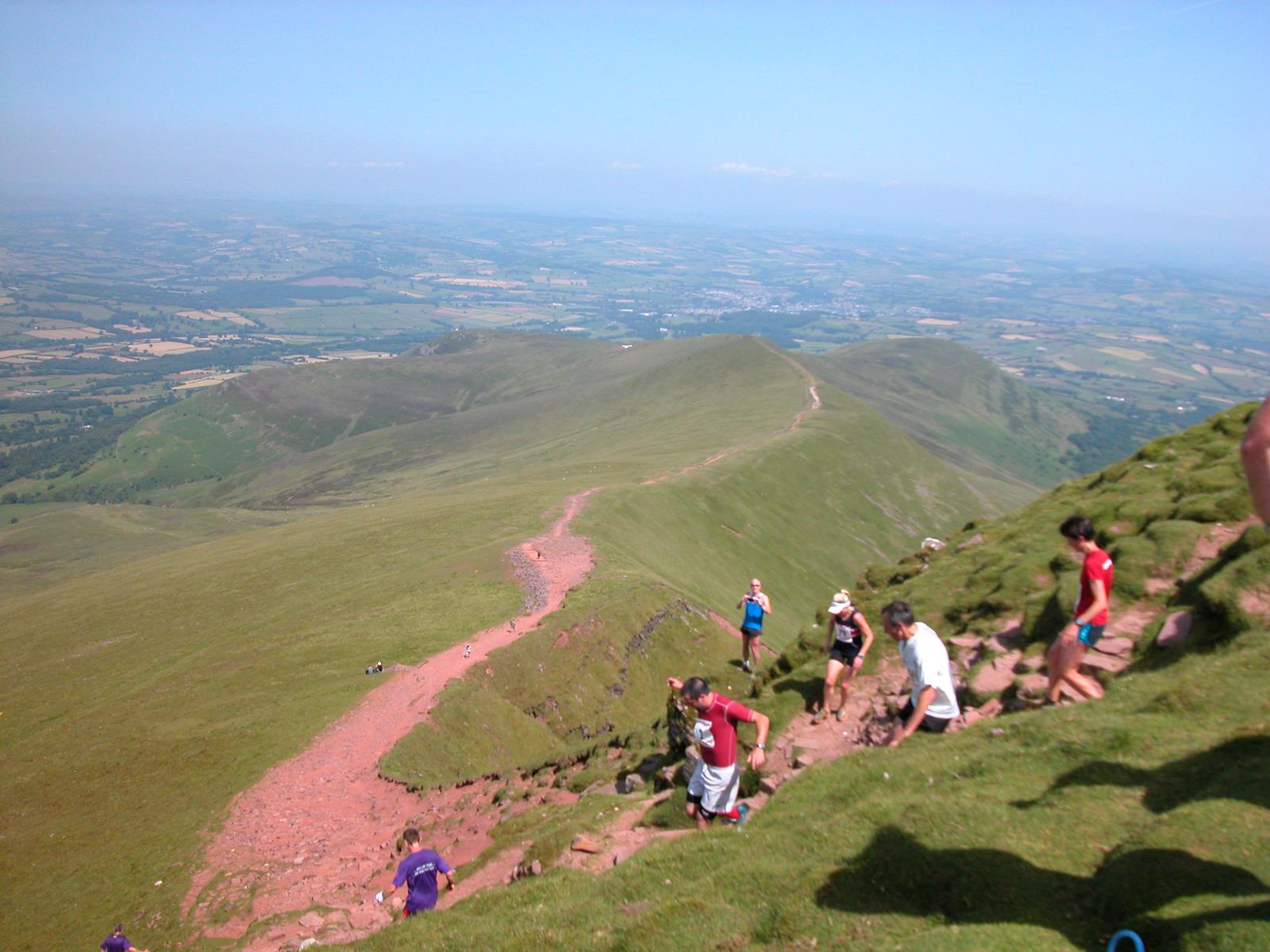
15. Pen Y Fan Fell race: This was my first proper fell race and after following a footpath to the top, I was surprised to be pointed straight down some rocks to find my own route back. Another race with beautiful scenery and a very challenging up and down. “only” 5.8k but with 588m of gain and a course record of 30 min, it’s not easy! https://www.breconfans.org.uk/pen-y-fan-race
Is Training Working?

How do you know if your training is working when you can’t race?  A lot of the satisfaction and motivation for training comes from knowing that it is making you quicker, but with many races being cancelled right now, it is very difficult to know where your fitness is at.  Below are a few suggestions to help and some points to bear in mind if you want the results to be meaningful.

  1. The Cooper test: how far you can run in 12min https://www.brianmac.co.uk/gentest.htm or there is a similar 15min test called the Balke test: https://www.brianmac.co.uk/balke.htm. Both of these can be used to predict your VO2 Max with the tables on the links.
  2. A flat out time trial can provide results similar to a race, if you are self-motivated enough.  Don’t be surprised if you are slower than you think you could race.  Several scientific studies have shown that having others to run with improves performance.  You want to pick a route of 3k/5k with a smooth, hard surface, where you are unlikely to be impeded by others.  Repeat the same loop to check for improvements.
  3. The number of intervals you can complete at a set speed with a set recovery.  If staying focused for a long time on your own is difficult, then you can track fitness by running repeated intervals until you can no longer maintain the pace. This will work best on a track. Suggested sessions would be continuous (400m at 5k pace + 400m at marathon pace) or 800m at 5k with 2min recovery. Once you are more than 2s off the pace, record how many reps were completed.
  4. Completing the same run at the same heart rate, your time will improve with fitness improvements. Keeping your heart rate in the required zone may be difficult, but this test requires less self-motivation.
  5. Believing what your smart watch tells you!  There is now loads of fitness data you can get from your watch.  A quick search of some watch forums will show plenty of debate on how accurate all of it is, but if an estimate of your VO2 Max is improving it is showing training is working.  Believing predicted race times may be more problematic.

A flat out race in near perfect conditions, or a lab test, is going to give the most accurate measure of your true fitness. What you are really looking for though, is improvement so the most important thing to remember is that any test of your fitness is best compared to the same test done in as near as possible to the same conditions.  This includes the same level of motivation.  Think about which sort of test you will be most motivated to work all out for and repeat this every 4-6 weeks, if you can’t find any races.

Factors that may result in slower times:

Too hot or too cold

Wet and windy weather

The surface you are running on

Insufficient warm up

Certain times of the day (or times of the month for females)

Lack of sleep

Bondarenko Track session

If done properly this is a killer session that will get you fit, running fast and kicking ass! Whether you are a track runner or marathon runner this session is for you!

In order to get the most out of the session it is essential that you do it properly and aim to keep to the times/pace as advised below. 

Times are based on your 10k time for your CURRENT FITNESS. Be realistic.

If the session is too easy or impossible (too fast) for you to do then you have not worked out your times right. But  – no slacking – it is supposed to be hard.

What is it?

The session includes the repetition of identical sets  with one set consisting of 2k of quality running, even the recovery periods are at marathon pace.

1 set is:

Run 400m @ 5k pace
Recovery 400m@ marathon pace
Run 300m @ 1500m pace
Recovery 300m @ marathon pace
Run 200m @ 800m pace 

Recovery 200m @ marathon pace
Run 100m sprint
Recovery 100m @ marathon pace.

-NON STOP!!

The session is taken from the 1988 10,000m Gold medallist Olga Bondarenko who completed 3 sets back to back, 3 mins recovery, 2 sets back to back, 3 mins recovery, 1 set. You can start with 3 x 1set with 400m jog between, or if you feel brave, 2 sets back to back then 2x 1 set, and build from there.


This session will have a tremendous impact upon 5k and 10k performances (which, with longer runs, will translate up to help with marathon distances). As well as improving finishing speed, it has tremendous psychological benefit as it forces you to run faster as you are getting more tired. If you do not know your 800m or 1500m pace, you can work it out from your current 5k or 10k pace.

Writing the splits on your hand is a good idea!

10k time400m@5k paceRecovery pace /lap300m@1500m pacerecovery 300m200m@800m pacerecovery 200m100m100m@MP
35min80935469m 0s3446sfast!23
37min84985773m 0s3649sfast!25
40min921:466379m 0s4053sfast!26
42 min961:526684m 0s4256sfast!28
45min1:442:001m 12s1m 30s46s1m 0sfast!30
47-48 min1m 50s2m 5s76-77 sec
49-50 sec1m 3sfast!32
50m1:562:111m 21s1m 39s52s1m 6sfast!33
52-53 min2m 2s2m 16s85-86 sec
55-56 sec1m 8sfast!34
55m2:082:221:301m 46s58s1m 11sfast!36
Bonderenko rep times based on 10k pace

Yasso 800s and Other Top Marathon training sessions

Your long run is really your most important session if you are marathon training, but to do more than just finish, here are some suggested sessions to boost your performances:

  1. Hill sessions to build strength endurance; even if you do not have a hilly marathon hills can improve running economy, lift lactate-threshold velocity, improve resistance to fatigue, increase maximal running speed, increases absolute VO2 Max and vVO2 Max.
  2. 20min marathon pace, 4x 800m (5k pace, 3min recovery), 20min marathon pace.  The session can be progressed to 6x 800m or 4x 1k reps between the MP runs. Why: the middle reps will tire your legs and work on improving your VO2 Max, but then you have to maintain marathon pace again when tired for the final 20min.
  1. Yasso 800s.  This session was devised by running legend, Bart Yasso as a test of your marathon goal time.  You run 800m repeats in the time in minutes and seconds, that you want to run the marathon in hours and minutes, e.g. for a 3hr 15min marathon goal, you run 800m in 3min 15s.  You then jog 400m in the same time (or slightly less as it can seem too long.). Start with 6-8 reps and build to 12 to be confident that you can hit your goal. Why: the 800m reps will be at around your 5k pace and so work on improving your VO2 Max and the continuous laps, hitting the correct pace and speedy up, slowing down and speeding up again will all help make you mentally stronger and better at staying focused.
  1. Continuous 400m reps, alternating 5k pace with marathon pace.  This is similar to the Yasso reps, but running the recoveries at MP gets you used to how this pace feels and teaches you to relax at this pace.  Start with 6-8 reps at each pace and build to 12.  Stop the session if you can no longer maintain either the 5k pace or the MP.  The whole point of the session is to get these paces correct, so make a note of how many reps you completed at the correct paces and aim to improve this next time.
  2. Tempo runs are run at a comfortable hard pace, or between 10k and HM.  (You can read more here about them.)  They are an important part of marathon training to build the ability to maintain pace for extended periods and with some discomfort.  Tempo sections can be added to long runs once distance has been built up, e.g. 10 miles easy, 1 mile tempo, 2 miles easy, 1 mile tempo, 5 miles easy.  Or as a separate run with a total time at tempo split into periods where the pace can be maintained, e.g. 30min tempo as 15min (3 min easy), 10min (2min easy), 5min.
  3. Alternating 1k’s at 10k and marathon pace, start with 6x1k and build to 10-12, with 1min recovery.  Take care not to start to quickly! Why: The 1k run at 10k will build some lactic that will have to be buffered, this will teach your body to use it as a fuel.  It will also help to dial in your marathon pace.
  1. Double long run days where you do a medium long run am and pm. Why: this was first suggested by coach Renato Canova and allows you to do more miles at a slightly faster pace than if it was one continuous run.  It may also make it easier for you to fit all your long run miles in a day.
  1. Low glycogen runs where you run without having eaten and not topping up with gels.  This has to be done with care, as such runs are hard on your body and deplete your immune system.  Never do too many of these, refuel well afterwards and take an emergency gel just in case it is needed to get back home.  The easiest way to fit these in is to go for an easy run before breakfast. Why: running on low glycogen will get your body better at using other sources of fuel, such as fats.  The body can only store enough glycogen to last for around 1.5-2 hours of exercise.

First Ultra Race Training Checklist

If you are preparing for a first Ultra race there are some vital sessions to add to plenty of running, to ensure a successful finish.  In fact these could be even more important than running a long way in training.  Your ultra pace will be very easy and relaxed.  What is most likely to prevent you from finishing is lack of strength to keep going, injury or nutrition issues.  Making sure that you work on the following in the build up to a long race or challenge will significantly reduce these risks.

  1. Spending time on your feet walking or running.  You don’t have to be running to be training for something long.  Any long challenge is going to involve some walking, even if it is just to give yourself a chance to eat and stretch out a bit.  Your feet need to be prepared for a long day out.  Sit down less and move more!
  2. Strength work is absolutely key.  First you want to check for any imbalances, weaknesses or poor movement patterns.  A check over by a physiotherapist is recommend and they may be able to suggest the best exercises for you.  My key exercises are heavy back squats, weighted step ups, heavy deadlifts, straight and bent leg calf raises, jumping down off steps or a box and regular yoga.
  3. Eating and running can be improved and if you will be out for much over 5hrs you will need some real food. You want to find out what you like before the big day and also work on your ability to run after eating.  Try cereal bars, salted nuts, dried fruit and recipes from The Feed Zone Cookbook or Feed Zone Portables by Biju Thomas and Allen Lim. https://www.velopress.com/books/the-feed-zone-cookbook/
  4. Double or triple run days, this helps you practice stopping to eat and then getting going again, as well as allowing you to complete more miles in a day with proper refuelling.  The effort required to get out for a 3rd run in one day will be similar to the mental strength you need to keep going on race day.  Doing multiple runs in a day shouldn’t be over done, even a couple of times will help.
  5. Hill sessions will improve your leg strength and you will want to do as many hills as possible if your race has big hills.  Design your long runs to go up and down as much as possible and/or do long hill repeats.  Gradually building up hill repeats so that it seems an endless task is also perfect mental training.  Learn to get through the session by focusing on one hill at a time.
  6. Run with your backpack and poles (if using).  Make sure that all your kit works for you and where anything may rub (and, of course, always carry Vaseline on race day!!!)
  7. Don’t wear yourself out, take recovery seriously.  Hard training needs to be matched with good refuelling, recovery and good sleep.
  8. If working with a training schedule or coach make sure it is right for your level and life.  It is no good following the training of an elite runner with no other job.  You need training that is right for the time you have available and the environment you have to run in, as well as your current fitness level.
  9. Learn to enjoy being out moving and to relax while running.  Race day will be long and you don’t want to waste any unnecessary energy.  Use long runs to practice just being out without rushing to finish and learn to love it.

If you are thinking of taking on a longer running challenge and want some coaching advice or a schedule then get in touch.

What Pace should I Run at?

There are may ways to work out what pace to run at in order to get the maximum benefit from your training.  Each has its pros and cons and may be of use in certain conditions, but not in others.

  1. Use a recent race or time trail, there are then tables and online calculators you can feed your time in that will tell you what pace to run different types of sessions at, as well as predicting what you may do over other distances with the correct training.  This is fairly simple to do, but relies on the race or time trial result being a fair representation of your fitness and the paces given will be for the same conditions and terrain.  If you want to hit a particular time goal in a race then this will help you train at the correct paces for that time.  Two good calculators to use are: https://www.mcmillanrunning.com or https://runsmartproject.com/calculator/
  2. Heart rate zones are now provided by many GPS watches and can be used to set zones for training sessions.  You should check that your heart rate is accurate, as problems can come from a poor connection or software issues.  Don’t think you are about to keel over just because you have no hear5t rate recorded or a strange spike! There is also a lag between you starting, or picking up the pace, and your heart reacting and a phenomenon know as Heart rate drift, where your heart rate gradually rises over extended exercise even if you keep the pace and effort similar.  Heart rate can give you extra information as it will be raised or recover less quickly after efforts, if you are under recovered, stressed, ill or lacking sleep.  In which case you should take note that your body is not ready to push hard.  Hot weather will also result in a higher heart rate as your body tries to pump more blood to cool down.
  3. Power meter.   Power is the force applied multiplied by the speed at which it applied, so for running this would be the force applied to the ground x velocity of impact.  But it is not that simple as the force has direction and there is potential energy stored in tendons.  There are 2 ways that Running power meters try to over come these. You can directly measure the force on foot impact and velocity or, as Stryd and Garmin do, use a foot pod to measure movement of the foot and resistance like incline and wind, combined with the runners weight and an algorithm to calculate what the power input was. (If you want to understand more about how running power is measured then this is a good article: https://trainright.com/running-with-power-trail-ultrarunner/)
  4. Go by feel (RPE). All of the above methods can, and should, be used to develop a feel for different paces.  This has many advantages.  The most obvious being you no longer need to be constantly looking at a watch or unable to train if it runs out of power.  Once you are really tuned in to how you feel at different paces, you can adjust training to match how your body feels on the day.  It does require you to be really honest though.

Do you really need to run at a set pace?  You will never run consistently at a single set pace, so all paces should be ranges, rather than a single figure.  Also training effects are not confined to just a single zone.  You can improve your lactate threshold by both high numbers of short, fast intervals with short recoveries and long tempo runs. Very different power, heart rate and effort levels!  What you really want out of training is a full variety of paces from sprinting right down to very easy.  The balance and mixture will depend on your goals, current strengths and weaknesses, age etc.

If you find yourself getting too caught up in following scientific set zones then have a read of this article: https://www.scienceofrunning.com/2015/10/sciencyness-problem-with-using-science.html?v=47e5dceea252

AdvantagesDisadvantages
Recent race-Cheap and simple
-Will help you hit a race time goal
-Need to have run the race flat out.
-Only applies to similar conditions.
-Need to regularly update
Heart Rate zones-May indicate if you are under recovered or unwell.
-Provides zones.
-Will indicate and adapt if fitness is improving
-Heart rate drift and lag.
-Effected by heat, stress, lack of sleep etc
-Be aware of measurement errors.
Power Meter-Proxy for metabolic stimulus.
-Can enable similar training stimulus on hills or flat.
-Some meters can account for wind. 
-Can help to improve efficiency.
-Expensive (around £200.)
-Will not take account of different terrain.
-Will not make allowance for being tired, stressed or needing extra recovery.
Rating of Perceived Exertion (RPE) -Cheap and simple.
-Adapts to conditions.
-Allows you to be in the moment and more self-aware.
-Will avoid over- training, if done correctly.
-Takes time to learn.
-Requires being honest with yourself.

Have any of you had experience of using a Running Power Meter?

ChaChaCha and training for mountain races without mountains

I have just returned from successfully completing the epic 64k ChaChaCha Ultra race in the Swiss Alps: http://chachacharun.com

As I had never run this far before, I wasn’t sure if I would be able to complete it. I also have the added problem of not living anywhere near a mountain! I have run some shorter mountain races in the Alps before, and a 53k race in the Peak District, so I had some idea of what would be required to successfully complete the challenge. The key priorities for training and preparation would be:

  1. Time on my feet (it was going to be a long day.)
  2. Strength to keep going up and down.
  3. Endurance.
  4. Balance and agility.
  5. Nutrition- vital to keep going for a long time.
  6. Equipment- shoes, suitable clothes, a backpack and poles
  7. Mental attitude

Time on my feet was fairly easy to achieve as I am not required to sit at a desk all day. I made an effort to go out for long walks and just be out and about as much as possible. The key was to consciously think about this in day to day life.

Specific strength was done with 2-3 gym sessions a week, mainly focusing on heavy weight deadlifts, back squats, step ups, hang power cleans and also weighted calf raises and jumps down off steps. Other exercises were added from time to time and I do a yoga class once a week, which is good for core strength.

Building endurance is the easy bit. It just requires doing it in a way that doesn’t injure you. I slowly built up miles and the amount of climbing I did each week, but only reached a longest run of 27k and 2900m of altitude in a week which included walking in the Lake District. Other than that a more typical week would be 400-900m of gain. I also did 3 runs in a day to simulate the fact that in a big mountain race you will be walking a lot, then trying to run again.

Balance and agility is vital for running through uneven mountain terrain. I include drills that work on these before run sessions. Examples would be agility ladder drills, drills where you go slow or hold a landing and seeking out new drills to test myself. In addition, I searched out tricky downhills to practice on too. They were only short (150-200m) but were steep with roots to pick your way round.

I knew I had to eat and drink a lot to keep going all day and gels would not be enough. I tried out foods on runs and have over the years got better at running (slowly) straight after eating. My pre race food prep looked like this:

Sweet potato cakes, rice, egg and bacon bars, Babybel cheese, trail mix, cereal bars and gels.

I didn’t eat all of this, but it was good to have it available. What I actually ate was:

  • 2 cereal bars
  • 2 Babybel
  • 1 sweet potato cake
  • 3 rice, egg and bacon bars
  • sweets
  • 1 banana
  • 1 hot chocolate
  • Energy drink
  • 1 energy gel with caffeine
  • A lot of trail mix which contained honey roasted nuts, chocolate coated nuts, dried mango and BBQ corn mix.

My equipment consisted of Brooks Cascadia shoes, Inov8 Race Elite Vest with 2 x500ml water bottles, light weight collapsable poles, 2 pairs of socks (the spares came in handy as the first pair got wet), a light weight long sleeve top, Vaseline (which saved 2 other runners from pain) and all the other required equipment (emergency blanket, whistle, phone, head torch x2, trousers).

Mental attitude is perhaps even more important than fitness in ultra races. I always think that if I just keep moving then I will get there, but avoid thinking of the whole distance. Mountains break up a long distance well, as each summit is its own goal to focus on.

My race strategy was to make it to halfway and stop for a good feed to assess how things were going, then head up in highest mountain and if I got back ok, eat again and head off to the finish, with a goal of finishing before dark.

I went out to Switzerland having had all my races since March cancelled due to Covid (including Boston Marathon), so my aim was to make the most of this one race by really challenging myself and taking time to enjoy being in the mountains. The strategy of stopping to eat plenty meant that I reached the top of the highest peak (2300m) with time to spare and knew from there that I was going to make it. Although the final climb up was really long and steep, the only part of the race that I really didn’t enjoy was the descent on the other other side, which was steep, loose rocks I had to get down with worn out legs. I was about as slow going down that as I was going up! Once I got on to solid ground I was happy again and had some time to just walk and enjoy being in the mountains, doing something amazing. So pleased to finish in 12.5 hrs and a huge thanks must go to my sister who is the best race support crew.

So wherever you live, you can train for a mountain race and achieve running goals such as finishing a UTMB race.

Going over the final big hill!

Why is running alone so hard?

You have probably been doing more running alone recently and may have noticed it feeling harder than it should. Alex Huskinson writes about a recent study that explores the role of affective feelings: the researchers found that solo and group races feel equally hard, but that solo races feel progressively less pleasant. https://www.outsideonline.com/2412178/psychology-solo-exercise-affective-feelings-research

It has also been found that mental fatigue makes running feel harder (pandemic ruminations, anyone?) and that even elite athletes go slower when their brains are fried. There are no magic solutions, so if you are struggling with your runs, don’t beat yourself up about it.  Accept that it is going to feel harder and there is nothing wrong with that.  A few tips I have to take your mind off running feeling hard:

  • Plan an interesting route so you focus on exploring
  • Pick out Strava segments to run hard
  • Focus on running all the up hills strong
  • Focus on technique: posture, downhill running, relaxing etc.
  • Know the purpose of your run and what you want to achieve from it.  If it is recovery then make sure that is what you achieve.
  • Staying happy is important, so focus on why you run and be grateful that you can get out.

Of course it is also useful to accept that running is feeling hard, but see if you can keep the pace going anyway.  Pick a marker or distance and aim to keep your pace going that far and when you get there see if you can keep it going a bit further.

Lydiard Extended Base Building

As I see it there are 3 sensible options for run training during a lockdown.

  1. Just do whatever makes you happy and keeps some fitness.
  2. Work on weaknesses like strength and speed.
  3. An extended endurance building phase as recommended by Arthur Lydiard.

What is a Lydiard Base building phase?

Arthur Lydiard was a famous New Zealand coach who help a total of 17 athletes achieve Olympic medals, including Peter Snell.  His ideas on building a big mileage base and having different phases of training form the basis of most modern, successful programs.

Lydiard started out by experimenting on himself and at one point reached 250 miles/week!  He came to the conclusion that a long base phase, building steady miles of running for many weeks, was part of a successful program.  After that came a hill training and speed phase and then a sharpening phase, followed by a taper.

Why is this right for now?

Lydiard believed that the 3 month base conditioning phase built aerobic capacity, making the body more efficient at using oxygen, which is what will slow you down in an endurance race.  The many miles, if done correctly are also going to build a stronger body, which is then able to cope with the speed work to follow.

How?

The goal is to build up very gradually to 1x 2hrs + 2x 90min runs per week, run at faster that an easy jog and built up to over 12 weeks.  Other runs that you do should be short, with some strides or a 5-10k pace run.  All runs should leave you “in a pleasantly tired state”, in the words of Lydiard, i.e. they should not wipe you out.  You also want to vary the terrain, so include some hills and off road running.

You want to set your starting point based on what you have been running the last few weeks and build very gradually.

Advantages of this approach:

  • There are no races for some time, so there is plenty of time to trial a big base phase.
  • If done correctly, you will not be over stressing your body.
  • You can learn to listen to your body and set your own pace.

Disadvantages:

  • If you have previously built a large endurance base and maximised your potential, you may not see a big improvement. (This could be via many years of running long distances, or via another endurance sport such as swimming, cycling or rowing.)
  • Older runners may not have a body that can withstand very high mileage.  Gauge your own limits and add cross training if required.

Guidelines:

  • Vary your terrain
  • Start with easy miles, then move to a steadier pace.
  • Drop mileage for an easier week every 3-4 weeks.
  • Any aches or pains reduce running and cycle if possible, plus focus back on S&C.
  • Include strides weekly.

Best Running Films to keep you inspired

I’ve been watching a lot of films and movies recently and these are my top picks. They cover a range of different running, including one non-running movie, but they all inspired me, or made me happy, or both.

  1. Kungsleden with Emelie Forsberg*: My number one favourite running film.  Emelie just has so much joy for running and is such a happy person that this film has to cheer you up.  At one point she is running through ice cold rain saying how she is so cold she can hardly run, but still has a huge smile. I watch this every time I need cheering up.
  2. Where Dreams go to die – Gary Robbins and The Barkley Marathons*: this movie is about Gary’s two attempts at completing the Barkley Marathons, a near impossible race.  It shows just how crazy runners can be, but also a fine example of how to focus and prepare if you want to achieve your goals.  Gary is such a lovely and polite Canadian as well.  Every time he completes and starts a new lap from hell, he always thanks the race organiser who has dreamt up this torture.
  3. Free Solo: Not a running film, but full of inspiration.  A National Geographic Documentary Film which is stunning, intimate and an unflinching portrait of the free soloist climber Alex Honnold, as he prepares to achieve his lifelong dream: climbing the face of the world’s most famous rock … the 3,000ft El Capitan in Yosemite National Park … without a rope. Celebrated as one of the greatest athletic feats of any kind, Honnold’s climb set the ultimate standard: perfection or death. Succeeding in this challenge, Honnold enters his story in the annals of human achievement. FREE SOLO is both an edge-of-your seat thriller and an inspiring portrait of an athlete who exceeded our current understanding of human physical and mental potential. The result is a triumph of the human spirit.
  4. Summits of my Life, Kilian Journet (https://kilianjornet.cat/en/blog/summitsathome) Summits of My Life is the personal project of Kilian Jornet, in which for five years he has traveled to some of the most important peaks of the planet to try to establish FKT (fastest known time) of ascent and descent of some of the most emblematic mountains of the world. The project is closely linked to values and a way of understanding the purist and minimalist mountain. The experiences lived in each challenge have been captured in different films.  If you love mountains and want to find out more about Kilian, these are the films for you!
  5. Emma Coburn – Home Town Hero*: what a lovely person! Emma Coburn was the 2017 IAAF World Champion in the steeplechase. How did an anxious, small town athlete become a world champion?  Emma Coburn returns to her home town of Crested Butte, Colorado after winning Gold and we find out why starting the Elk Run 5k is so important to her.
  6. Rim to Rim to Rim Run! The Grand Canyon in a Day*: this film is just a fun day out running from the Grand Canyon rim to rim to rim (43 miles). Ryan Van Duzer and his buddies have a blast and show what fun there is to be had setting your own little adventure.
  7. Unbreakable: The Western States 100* follows the 4 very different lead men in the Western States 100 ultra as they race each other and their own individual battles with their bodies and minds.

*All available on YouTube for free

Design a site like this with WordPress.com
Get started